Why Simple Steel Buildings Usually Perform Better in Africa 🌍🏗️
One thing I’ve learned after working around African steel structure projects is that the most successful buildings are rarely the most complicated ones.
A lot of clients initially imagine highly customized buildings with decorative façades, imported systems, and complex architectural details because they want the project to “look international.” But once construction begins, the discussion slowly shifts toward something much more important:
How will this building actually perform in local conditions?
That question changes everything.
In many African regions, buildings face serious environmental pressure every single day — intense sunlight, seasonal storms, dust, humidity, coastal corrosion, unstable power conditions, and difficult maintenance logistics.
Under those realities, simplicity becomes extremely valuable.
I’ve seen warehouse projects with very basic layouts outperform expensive commercial-style designs simply because ventilation worked better and maintenance was easier.
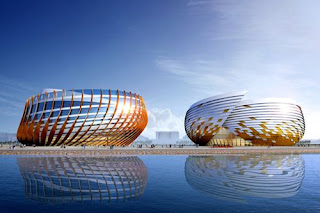
I’ve seen clients regret decorative roofing systems that looked impressive in renderings but trapped heat badly once the facility became operational.
And honestly, one of the most underrated things in African industrial projects is proper roof design.
Good steel roofing with ventilation and drainage can dramatically improve working conditions inside factories, logistics centers, workshops, and agricultural facilities.
People often focus on walls and appearance first, but in hot climates the roof quietly controls most of the building’s comfort.
That’s why practical engineering decisions matter so much more than people expect.
A building that stays cooler, drains water correctly, and survives long-term weather exposure will almost always create more value than one designed mainly for visual impact.
Sometimes the smartest projects are the ones that look “simple” — because every detail was designed for real operation instead of presentation slides. 🔥


Comments
Post a Comment